Waffle irons, originating from Belgium, utilize patterned molds to create delightful, grid-patterned treats․
These appliances have evolved from simple iron molds to modern electric versions, offering diverse waffle styles․
Historically, waffle irons were manually heated, but today’s models boast temperature controls and non-stick surfaces․
Variations include traditional, Belgian, and thin waffle irons, alongside specialty character-shaped options․
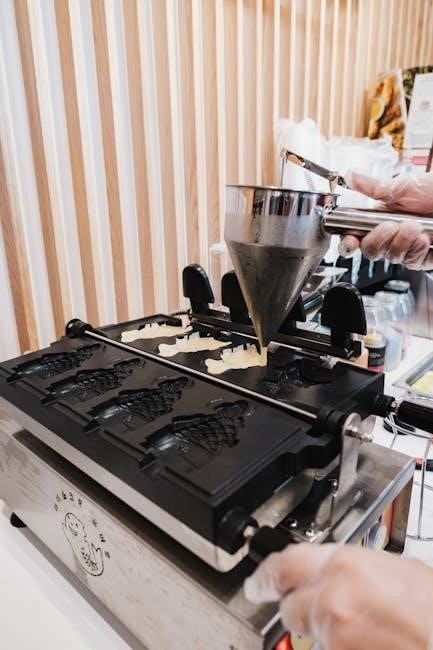
Dutch Baby pancakes and Hong Kong egg waffles demonstrate global adaptations, while modern techniques explore textures and add-ins․
Waffle irons continue to inspire culinary creativity!
What is a Waffle Iron?
A waffle iron is a cooking appliance used to prepare waffles, those delightful, grid-patterned cakes enjoyed worldwide․ Essentially, it consists of two hinged metal plates, often with a non-stick coating, designed to cook batter via heat and pressure․ Originally, these irons were made of cast iron and heated over an open flame, requiring manual flipping․
Modern waffle irons are typically electric, offering consistent temperature control and ease of use․ They come in various forms, from traditional models creating thinner waffles to Belgian irons producing thicker, fluffier versions․ Beyond standard grids, specialty irons craft waffles in fun shapes – characters, hearts, and more! The core function remains the same: transforming liquid batter into a crispy, golden-brown breakfast (or dessert) staple․
History of Waffle Irons
Waffle irons boast a surprisingly long history, tracing back to ancient Greece, where flat cakes were cooked on heated metal plates․ However, the direct ancestor of the modern waffle iron emerged in medieval Europe, with artisans crafting patterned irons to create “oublies” – thin, wafer-like cookies․ These early irons required skilled craftsmanship and open-fire cooking․
The waffle’s popularity surged in the 14th century, and by the 18th, waffle irons were common household items․ The 20th century brought electrification, revolutionizing waffle-making with convenient, temperature-controlled appliances․ Variations arose, like the Dutch Baby and Hong Kong egg waffle, showcasing global adaptations․ Today, waffle irons continue to evolve, blending tradition with modern technology․
Types of Waffle Irons
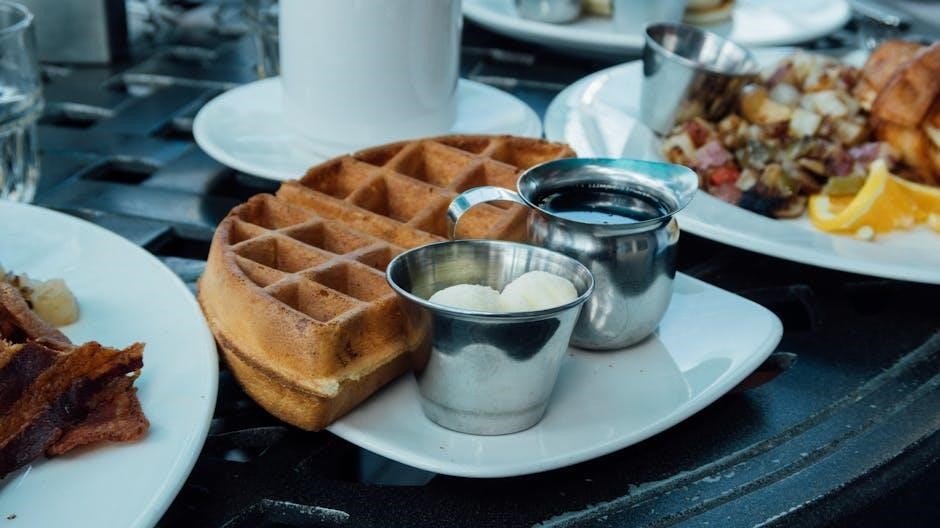
Waffle irons come in diverse forms: traditional, creating classic waffles; Belgian, for thicker, fluffier results; and thin versions for crispy treats․
Specialty irons offer fun shapes, while innovations continue to emerge, catering to varied preferences and culinary creativity․
Traditional Waffle Irons
Traditional waffle irons typically produce waffles with a moderately thick, yet relatively dense texture, showcasing a classic grid pattern․ These irons generally feature shallower pockets compared to Belgian waffle makers, resulting in a crispier exterior and a slightly less airy interior․
Often, they are more affordable and compact, making them ideal for smaller kitchens or those new to waffle making․ The resulting waffles pair wonderfully with a variety of toppings, from simple maple syrup and butter to fresh fruit and whipped cream․ They represent the foundational style of waffle enjoyment, offering a satisfying and familiar breakfast experience․
Belgian Waffle Irons
Belgian waffle irons are distinguished by their deeper pockets, creating significantly thicker and fluffier waffles․ This is achieved through a larger batter capacity and a grid pattern designed for substantial volume․ These waffles boast a light, airy interior and a crispy exterior, perfect for absorbing generous amounts of syrup and toppings․
Often favored for their indulgent quality, Belgian waffles are a popular choice for brunches and special occasions․ They offer a more substantial and satisfying waffle experience, appealing to those who prefer a heartier breakfast or dessert․ Their size and texture make them ideal for creative presentations․
Thin Waffle Irons
Thin waffle irons, sometimes referred to as Scandinavian-style irons, produce crispy, delicate waffles with a significantly reduced thickness compared to traditional or Belgian varieties․ These irons feature shallower pockets and often a more expansive surface area, resulting in larger, yet thinner, waffles․ They cook rapidly, achieving a satisfyingly crunchy texture․
Popular in Northern Europe, these waffles are frequently enjoyed with simple toppings like jam, sour cream, or fruit․ Their lightness makes them a versatile base for both sweet and savory creations, offering a different textural experience․ They are ideal for quick breakfasts or elegant desserts․
Specialty Waffle Irons (Character/Shape Irons)
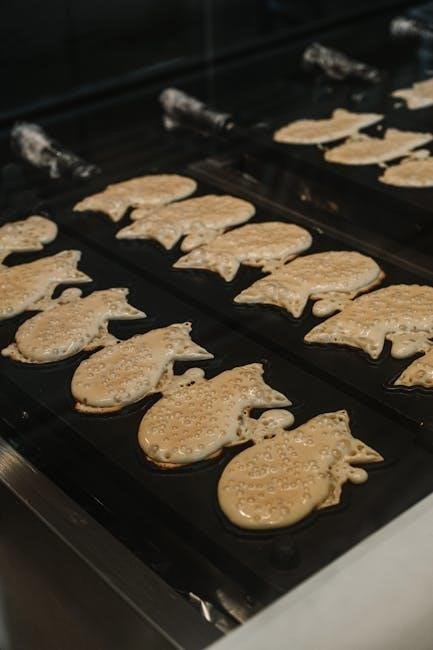
Specialty waffle irons transcend basic grids, offering whimsical shapes like hearts, stars, animals, or even popular characters․ These irons cater to fun breakfasts and themed events, appealing particularly to children and those seeking novelty․ While functionality mirrors standard irons, achieving even cooking can require adjusted batter amounts․
The patterned plates demand careful cleaning to ensure complete batter removal from intricate designs․ These irons often become collector’s items, with limited-edition designs increasing their appeal․ They represent a playful extension of the waffle-making experience, prioritizing visual enjoyment alongside taste․

Preparing to Use Your Waffle Iron
Initial preparation involves unboxing, inspecting for damage, and thoroughly cleaning the plates․ Selecting a suitable batter and lightly greasing the iron are crucial steps․
Unboxing and Initial Inspection
Carefully unpack your new waffle iron, retaining the original packaging for potential future use or warranty claims․ Thoroughly inspect the appliance for any visible signs of damage incurred during shipping, such as dents, cracks, or loose parts․ Verify that all included components – the waffle iron itself, the instruction manual, and any detachable parts – are present․ Check the power cord for fraying or damage․ Ensure the non-stick plates are intact and free from scratches․ If any damage is detected, immediately contact the retailer or manufacturer for assistance before attempting to operate the device․ A pre-use inspection safeguards against potential hazards․
Cleaning Your Waffle Iron for the First Time
Before your inaugural waffle creation, a thorough cleaning is essential․ Unplug the waffle iron and allow it to cool completely․ Wipe down the exterior with a damp cloth to remove any dust or packaging residue․ For the plates, gently wipe with a soft, damp cloth – avoid abrasive cleaners․ Never immerse the waffle iron in water․ Some manufacturers recommend a light coating of cooking spray and then heating briefly before wiping clean to establish the non-stick surface․ This initial cleaning removes any manufacturing oils and ensures a pristine start to your waffle-making journey․
Choosing the Right Waffle Batter
Selecting the appropriate batter is crucial for waffle success․ Traditional waffle irons pair well with classic recipes, while Belgian waffle irons demand a thicker, yeast-leavened batter for their deeper pockets․ Thin waffle irons benefit from lighter, thinner batters․ Consider your desired texture – fluffy, crispy, or somewhere in between․ Pre-made mixes offer convenience, but homemade batters allow customization․ Experiment with additions like vanilla extract, cinnamon, or chocolate chips․ Ensure the batter isn’t overly liquid, as it may spread too thinly and stick․
Greasing or Spraying the Waffle Iron
Proper preparation of the waffle iron surface is vital to prevent sticking․ Most modern waffle irons feature non-stick coatings, minimizing the need for extensive greasing․ However, a light coating of cooking spray or melted butter is often recommended, especially for the first few waffles․ Avoid using aerosol cooking sprays containing propellants, as they can leave a sticky residue․ Brush melted butter evenly across both plates using a pastry brush․ Ensure not to over-grease, as excess oil can result in soggy waffles․ Consistent application ensures easy release․
Operating Your Waffle Iron
Begin by preheating the iron to the recommended temperature․ Pour batter onto the lower plate, ensuring even distribution․ Close the lid gently and cook until golden brown․
Preheating the Waffle Iron
Proper preheating is crucial for achieving perfectly cooked waffles․ Plug in your waffle iron and allow it to heat up completely, typically indicated by a light or signal․ This process ensures the plates reach the optimal temperature for even cooking and prevents sticking․
Insufficient preheating can result in pale, soggy waffles that lack crispness․ Refer to your waffle iron’s manual for specific preheating times, as they can vary between models․ Generally, allow at least 3-5 minutes for adequate heating․ A well-preheated iron will also help develop that desirable golden-brown color and crispy texture we all crave!
Pouring the Batter
Once preheated, carefully pour the waffle batter onto the center of the hot waffle iron․ Avoid overfilling; use the amount recommended in your waffle iron’s manual or recipe – typically ½ to ¾ cup․ Overfilling can cause batter to spill over the edges, creating a mess and potentially damaging the appliance․
Distribute the batter evenly across the plates, allowing it to spread naturally․ Avoid spreading it manually, as this can disrupt the waffle’s texture․ Close the lid gently but firmly, ensuring it latches securely․ Now, the cooking process begins, transforming liquid batter into a golden, crispy waffle!
Cooking Time and Temperature Settings
Cooking time varies depending on your waffle iron model and desired crispness, generally ranging from 3 to 5 minutes․ Most waffle irons feature adjustable temperature settings; start with a medium setting and adjust as needed․ Lower temperatures yield softer waffles, while higher temperatures create crispier results․
Refer to your waffle iron’s manual for specific time and temperature recommendations․ Pay attention to the indicator light – it signals when the waffle is ready․ Avoid opening the lid prematurely, as this can disrupt the cooking process and result in an undercooked waffle․
Checking for Doneness
Determining waffle doneness relies on visual cues and a gentle test․ The waffle should be golden brown and easily release from the iron when gently lifted with a fork; If it resists, allow it to cook for another 30-60 seconds․ Avoid using metal utensils, as they can damage the non-stick coating․
A perfectly cooked waffle will be crispy on the outside and fluffy on the inside․ If the waffle appears pale, increase the temperature slightly or extend the cooking time․ Remember, each waffle iron is unique, so experimentation is key to achieving your preferred texture․

Waffle Iron Safety
Always unplug the waffle iron before cleaning․ Never immerse it in water․ Supervise children closely during operation to prevent burns and electrical hazards․
Exercise caution with hot surfaces and steam․ Ensure proper grounding to avoid electrical shock․ Prioritize safe usage for enjoyable waffle making!
Electrical Safety Precautions
Prioritize electrical safety when using your waffle iron․ Always ensure the appliance is plugged into a grounded outlet, matching the voltage specified on the device․ Never operate the iron with a damaged cord or plug; replace them immediately․ Avoid using extension cords if possible, and if necessary, choose one rated for the waffle iron’s wattage․
Keep the waffle iron away from water sources to prevent electric shock․ Do not attempt to disassemble or repair the appliance yourself; contact a qualified technician for assistance․ Unplug the iron when not in use and allow it to cool completely before cleaning or storing․ Regularly inspect the cord for any signs of wear or damage․
Avoiding Burns
Exercise extreme caution to prevent burns while operating your waffle iron․ The plates reach very high temperatures, so never touch them directly during or immediately after use․ Utilize oven mitts or heat-resistant gloves when handling the iron or removing waffles․ Be mindful of escaping steam, which can cause severe burns; open the lid away from your face and body․
Keep children and pets away from the waffle iron during operation and cooling․ Avoid leaning over the hot surface․ Allow the iron to cool completely before cleaning or storing․ Never leave the waffle iron unattended while it’s plugged in and heated․ Always prioritize safety!
Supervising Children
Constant adult supervision is crucial when a waffle iron is in use, especially around children․ Never allow children to operate the appliance themselves due to the risk of severe burns from hot surfaces and escaping steam․ Ensure children understand the dangers associated with a heated waffle iron and maintain a safe distance․
Keep the appliance out of reach when not actively being used․ Teach older children about safe operation, but always oversee their use․ Emphasize that the iron remains hot for a considerable time after being switched off․ Prioritize child safety above all else when using this kitchen appliance․

Cleaning and Maintenance
Allow the waffle iron to cool completely before cleaning․ Remove excess batter and wipe plates with a damp cloth․ Proper storage prevents damage and ensures longevity․
Cooling Down the Waffle Iron
Crucially, always unplug your waffle iron from the electrical outlet before attempting any cleaning or maintenance․ Allow ample time for the appliance to cool down completely – this is paramount for safety and prevents potential burns․ Do not rush this process; a hot waffle iron presents a significant hazard․
Resist the urge to use water or any cleaning solutions while the iron is still warm․ Premature cleaning can cause steam burns or damage the non-stick coating․ Patience is key to preserving both your safety and the lifespan of your waffle iron․ A fully cooled iron is a safe iron!
Removing Excess Batter
Immediately after removing a cooked waffle, gently wipe away any excess batter that may have spilled onto the waffle iron’s exterior․ This prevents the batter from burning and becoming difficult to remove later․ Use a soft, dry cloth or paper towel for this task – avoid abrasive materials․
For batter that has overflowed onto the plates, allow the iron to cool slightly before carefully scraping it off with a non-metallic spatula․ Avoid metal utensils, as they can scratch the non-stick surface․ Consistent removal of excess batter maintains optimal performance․
Cleaning the Plates
Once cooled, thoroughly clean the waffle iron plates․ Most modern waffle irons feature removable plates for easier cleaning; simply detach and wash them with warm, soapy water․ For non-removable plates, gently wipe them down with a damp cloth and mild dish soap․
Avoid abrasive cleaners or scouring pads, as these can damage the non-stick coating․ For stubborn residue, create a paste of baking soda and water, apply, and let sit before wiping clean․ Ensure the plates are completely dry before reassembling or storing the iron․
Proper Storage
After the waffle iron is completely cool and the plates are dry, ensure it’s stored in a clean, dry location․ If possible, store it in its original packaging to protect the non-stick coating from scratches․ Vertical storage is often recommended to prevent dust accumulation and potential damage to the heating elements․
Avoid wrapping the cord tightly around the appliance, as this can cause damage over time․ Loosely coil the cord and secure it with a tie or Velcro strap․ Keep the waffle iron away from water and extreme temperatures to prolong its lifespan․

Troubleshooting Common Issues
Addressing sticking, uneven cooking, or heating problems requires checking power, batter consistency, and plate cleanliness․ Steam issues may indicate excessive batter usage․
Ensure proper preheating and temperature settings are utilized for optimal results․ Regular maintenance prevents most common waffle iron malfunctions․
Waffles Sticking to the Iron
Experiencing waffles adhering to the iron’s surface is a frequent concern, often stemming from insufficient greasing or an inadequate non-stick coating․ Thoroughly grease the plates with cooking spray or melted butter before each batch, ensuring complete coverage․ If sticking persists, the non-stick coating may be compromised, necessitating replacement․
Alternatively, the batter might be too thin or lack sufficient binding agents․ Adjust the batter consistency by adding a small amount of flour․ Avoid opening the waffle iron prematurely; allow the waffle to fully cook before attempting removal․ Gentle persuasion with a non-metallic utensil can assist, but forceful attempts risk damage․
Unevenly Cooked Waffles
Achieving uniformly golden waffles requires attention to batter distribution and temperature consistency․ Ensure an even pour of batter, covering the entire lower plate without overfilling․ Insufficient preheating can lead to pale spots; allow the iron to reach the optimal temperature before adding batter․
Variations in household voltage can also impact heating․ Consider using a consistent power source․ If your iron has adjustable temperature settings, experiment to find the sweet spot for your batter․ Avoid lifting the lid during cooking, as this disrupts the heat distribution․ Rotating the iron halfway through can sometimes help․
Waffle Iron Not Heating Up
If your waffle iron fails to heat, first verify the power connection – ensure the cord is securely plugged into a functioning outlet․ Check your home’s circuit breaker or fuse box for tripped breakers or blown fuses․ A faulty power cord is another potential culprit; inspect it for damage․
Some irons have a thermal fuse that blows to prevent overheating; this requires professional repair․ If the indicator light isn’t illuminating, the heating element may be defective․ Do not attempt to disassemble or repair the iron yourself; contact a qualified appliance technician․
Steam Escaping Issues
Excessive steam during waffle cooking is normal, as batter contains moisture․ However, large amounts of steam, especially if accompanied by sputtering, could indicate too much batter is being used․ Reduce the amount of batter poured onto the iron․ Ensure the waffle iron isn’t overfilled, as this obstructs steam vents․
If steam escapes from unintended areas, it might signal a damaged seal․ Do not use the iron if steam is escaping from anywhere other than the designated vents․ Contact a qualified technician for repair; attempting self-repair is dangerous․

Waffle Recipes & Variations
Explore diverse waffle creations beyond the classic recipe! Belgian waffles offer a richer experience, while savory options introduce exciting flavors․ Experiment with fruits, chocolate, or unique toppings!
Classic Waffle Recipe
Embark on a delightful culinary journey with this timeless classic waffle recipe! Combine 1 ½ cups all-purpose flour, 3 ½ teaspoons baking powder, 1 teaspoon salt, and 1 tablespoon sugar in a large bowl․ Whisk together 1 ¼ cups milk, ½ cup melted butter, 1 egg, and 1 teaspoon vanilla extract․
Gently fold the wet ingredients into the dry ingredients until just combined – avoid overmixing! Preheat your waffle iron and lightly grease the plates․ Pour the appropriate amount of batter onto the hot iron, following your waffle iron’s instructions․ Cook until golden brown and crispy, typically 3-5 minutes․ Serve immediately with your favorite toppings – syrup, fruit, whipped cream, and enjoy!
Belgian Waffle Recipe
Indulge in the fluffy perfection of Belgian waffles! Whisk together 2 cups all-purpose flour, 4 teaspoons baking powder, ¼ teaspoon salt, and 2 tablespoons sugar․ In a separate bowl, beat 2 large eggs, then blend in 1 ¾ cups milk, ½ cup melted butter, and 1 teaspoon vanilla extract․
Gently combine wet and dry ingredients, being careful not to overmix․ Belgian waffle irons require more batter than standard irons; follow your iron’s guidelines․ Cook until golden and crispy, usually 4-6 minutes․ Serve immediately with fresh berries, powdered sugar, and a generous drizzle of maple syrup for an unforgettable breakfast treat!
Savory Waffle Recipes
Expand your waffle horizons beyond sweetness! Combine 1 ½ cups all-purpose flour, 2 teaspoons baking powder, ½ teaspoon salt, and a pinch of cayenne pepper․ Whisk in 1 ¼ cups buttermilk, 2 large eggs, and 2 tablespoons melted butter․ Stir in ½ cup shredded cheddar cheese and ¼ cup chopped chives․
Pour batter into a preheated waffle iron and cook until golden and crisp․ These savory waffles are fantastic topped with fried chicken, a fried egg, or even smoked salmon and cream cheese․ Experiment with different cheeses and herbs for endless flavor combinations – a delightful departure from traditional sweet waffles!
Advanced Waffle Iron Techniques
Master waffle artistry by adjusting batter consistency for varied textures․ Incorporate fruits, chocolate, or spices directly into the batter․ Create cones or bowls using specialized molds for innovative presentations!
Creating Different Waffle Textures
Achieving diverse waffle textures begins with batter manipulation․ For a lighter, crispier waffle, separate egg whites and beat them to stiff peaks before gently folding them into the batter – this introduces airiness․ Conversely, a denser, chewier waffle benefits from using melted butter instead of creamed, and slightly less liquid․
Experiment with flour types; cake flour yields a tender crumb, while bread flour provides a more robust chew․ Adjusting cooking time also impacts texture – shorter times create softer waffles, while longer times result in increased crispness․ Finally, consider the waffle iron itself; some models produce fluffier waffles due to their plate design․
Using Add-Ins (Fruits, Chocolate Chips)
Enhance your waffles with delightful add-ins! Gently fold in blueberries, raspberries, or sliced bananas after combining wet and dry ingredients – avoid overmixing to prevent a tough waffle․ Chocolate chips, sprinkles, or chopped nuts can also be incorporated similarly․
For a more integrated flavor, consider macerating fruits in a little sugar beforehand․ Be mindful of quantity; excessive add-ins can cause batter overflow․ Sprinkling a small amount of add-ins directly onto the hot waffle iron before pouring batter creates a caramelized effect․ Enjoy experimenting with diverse combinations!
Making Waffle Cones or Bowls
Creating waffle cones or bowls requires a slightly thinner batter and a quick working pace․ Immediately after removing a waffle from the iron, drape it carefully over an inverted cone or oven-safe bowl․ Secure it gently, allowing the heat to mold the waffle into the desired shape․
For cones, work swiftly as the waffle cools quickly․ For bowls, ensure the bowl is well-greased․ Allow the shaped waffle to cool completely before removing it․ These homemade vessels are perfect for ice cream, fruit, or sweet creams!
Waffle Iron Brands and Reviews
Popular brands like Cuisinart, Breville, and Presto offer diverse features and price points․ Reviews often highlight non-stick performance, temperature control, and ease of cleaning․
Popular Waffle Iron Brands
Cuisinart consistently receives high marks for its durable construction and consistent heating, offering both classic and Belgian waffle iron options․ Breville stands out with its smart features, like precise temperature control and a digital timer, appealing to serious waffle enthusiasts․
Presto provides affordable and reliable waffle irons, ideal for everyday use and budget-conscious consumers․ Black+Decker offers a range of models, including flip waffle irons for even cooking․ Waffle House even has branded irons!
All-Clad, known for premium cookware, extends its quality to waffle irons, though at a higher price point․ Exploring these brands ensures finding an iron suited to individual needs and preferences․
Comparing Waffle Iron Features
Non-stick coating is crucial; higher-quality coatings ensure easy waffle release and cleaning․ Temperature control allows for customized browning, ranging from light and fluffy to crispy․ Rotating features, like flip models, promote even cooking on both sides․
Plate size and shape dictate waffle style – traditional, Belgian, or specialty․ Indicator lights signal preheating and readiness․ Removable plates simplify cleaning, often being dishwasher-safe․
Consider wattage for heating speed and overall performance․ Some models offer digital timers for precise cooking․ Comparing these features helps select the best waffle iron for desired results․