
Overview of Beer Belly and Pregnant Belly

Explore the contrast between a beer belly—fat accumulation from excess alcohol—and a pregnant belly, where uterine growth reshapes the abdomen. A free PDF guide offers clear answers, visual comparisons, and practical tips for both conditions. Learn more inside the PDF. and download it for free Enjoy ok!!

Definitions and Distinguishing Features
A beer belly refers to excess abdominal fat that accumulates when calorie‑dense alcoholic beverages, especially beer, are consumed regularly. The term originates from the observation that many beer drinkers develop a protruding midsection, often described as a “beer belly.” The primary cause is the high caloric content of beer (typically 150–200 kcal per 12‑oz serving) combined with a tendency for alcohol to reduce metabolic rate and encourage fat storage in the visceral area.
A pregnant belly is the natural abdominal enlargement that occurs during gestation. It results from the growth of the uterus, which expands to accommodate the developing fetus, placenta, and amniotic fluid. Hormonal changes—particularly increased progesterone and estrogen—relax abdominal ligaments, allowing the belly to rise. Unlike a beer belly, the shape and size of a pregnant belly are directly linked to fetal development rather than fat deposition.
Key distinctions include:
- Origin: Alcohol‑induced fat vs. fetal growth.
- Hormonal influence: Alcohol metabolism vs. pregnancy hormones.
- Health implications: Cardiovascular risk vs. pregnancy‑related complications.
- Reversibility: Weight loss after abstinence vs. natural post‑delivery involution.
Understanding these differences is essential for tailoring lifestyle, nutrition, and medical advice. The free PDF provides diagrams and key answers to clarify concepts.!!!
Common Causes and Risk Factors
A beer belly typically develops from chronic alcohol consumption, especially beer, which is high in calories and promotes visceral fat storage. Key risk factors include excessive daily intake, high‑sugar mixers, sedentary lifestyle, and genetic predisposition to abdominal adiposity. Women who binge drink or consume large volumes of beer are more prone to this belly type. The PDF provides clear diagrams and quick facts to help readers differentiate the two belly types at a glance more.
Pregnancy‑related abdominal enlargement is driven by uterine growth, fetal weight, and hormonal changes. Risk factors for a pronounced pregnant belly include advanced maternal age, multiple gestations (twins, triplets), high pre‑pregnancy BMI, and conditions such as gestational diabetes that accelerate uterine expansion. Lifestyle choices like poor nutrition and lack of prenatal care can also influence belly size. Maternal obesity and excessive gestational weight gain increase abdominal size and raise the risk of gestational hypertension.
Both conditions share common lifestyle contributors such as poor diet and inactivity, yet their underlying mechanisms differ. The free PDF guide offers detailed charts and answers to clarify these risk profiles. Genetic variations in the FTO gene and a sedentary lifestyle lower rate, alcohol impairs insulin signaling more.
Balanced nutrition and regular movement can mitigate visceral fat and excessive uterine expansion, improving health.

Health Consequences Associated with Each Belly
A beer belly raises cardiovascular risk, insulin resistance, and fatty liver disease. A pregnant belly can lead to gestational diabetes, preeclampsia, and postpartum complications. The free PDF lists these outcomes, offering clear, concise answers for each belly type. Add a 5‑minute walk daily. and hydrate.
Cardiovascular Risks of a Beer Belly
Excess abdominal fat, especially from chronic beer consumption, triggers a cascade of metabolic disturbances. The visceral depot secretes pro‑inflammatory adipokines—TNF‑α, IL‑6, resistin—that impair endothelial function and promote atherosclerosis. Elevated triglycerides and low HDL levels, common in beer‑belly individuals, accelerate plaque formation. Chronic alcohol intake also raises blood pressure, fostering hypertension. Combined, these factors increase the likelihood of coronary artery disease, heart failure, and arrhythmias. The free PDF provides step‑by‑step risk‑assessment tools, lifestyle modifications, and evidence‑based treatment options tailored to each individual.
Pregnancy-Related Health Concerns
During gestation the expanding uterus imposes mechanical pressure on the diaphragm and abdominal wall, often leading to back pain, altered gait, and reduced lung capacity. Hormonal shifts—estrogen, progesterone, relaxin—soften connective tissue, increasing the risk of musculoskeletal strain and pelvic floor dysfunction. Nutrient demands rise sharply; inadequate intake of folate, iron, calcium, and omega‑3 fatty acids can precipitate anemia, neural‑tube defects, and impaired fetal bone development. Excessive weight gain, especially central adiposity, elevates the risk of gestational diabetes, hypertension, and preeclampsia, all of which compromise placental perfusion and fetal growth. The free PDF offers a comprehensive checklist for monitoring blood pressure, glucose tolerance, and weight trajectory, alongside evidence‑based dietary and exercise recommendations to mitigate these complications. The guide offers trimester‑specific exercise plans, a nutrient tracker, and a risk calculator that estimates gestational hypertension risk based on weight gain, blood pressure, and family history. Users can set goals, receive reminders, and join a community of expectant mothers for support. Infographics illustrate how each nutrient affects fetal brain, bone, and immune development. Evidence‑based recommendations are paired with practical, culturally sensitive advice, empowering women to make informed choices that support maternal and fetal health throughout pregnancy. dailycare.

Comparative Physical and Hormonal Changes
Comparing a beer belly and a pregnant belly shows distinct shifts. Alcohol‑driven fat raises cortisol and insulin resistance. Pregnancy enlarges the uterus, releasing relaxin, progesterone, and estrogen that remodel connective tissue and alter metabolism. The PDF explains differences and offers guidance.
Abdominal Fat vs. Uterine Enlargement
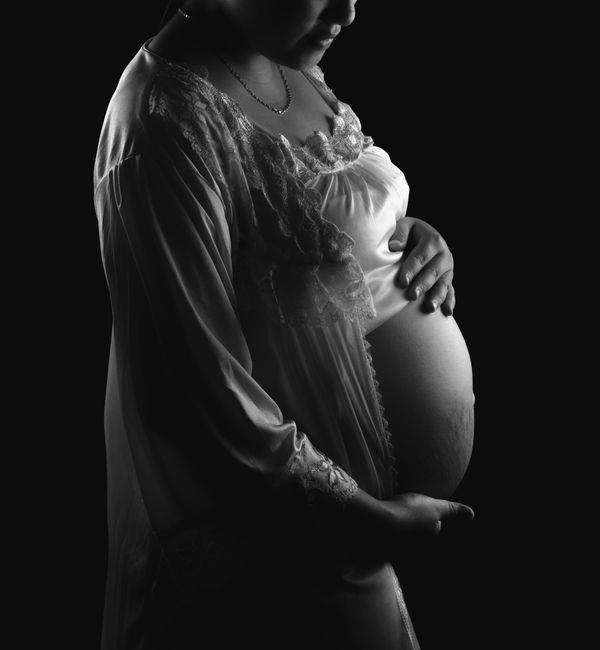
Beer‑belly fat accumulates subcutaneously around the midsection, driven by excess calories, alcohol metabolism, and hormonal shifts such as increased cortisol and insulin resistance. This deposition is largely visceral, raising waist circumference and contributing to metabolic syndrome. In contrast, a pregnant belly results from uterine expansion as the fetus grows, with the uterus rising from the pelvis to the abdominal wall. Hormones like progesterone, relaxin, and estrogen soften ligaments and increase blood flow, allowing the uterus to enlarge safely. Visceral fat does not alter the shape of the abdominal wall; it simply adds volume. Uterine enlargement reshapes the abdomen, pushing the liver upward, compressing the diaphragm, and altering posture. While both conditions increase abdominal girth, the underlying tissue composition, hormonal milieu, and functional impact differ markedly. The free PDF provides side‑by‑side images, measurable metrics, and targeted lifestyle strategies to address each type of belly effectively. Waist‑to‑hip ratio above 0.90 in men or 0.85 in women signals visceral fat, while a gestational uterus can be estimated by fundal height correlating with fetal weight and maternal age. Lifestyle interventions differ accordingly; reducing caloric excess and moderating alcohol intake target a beer belly, while prenatal nutrition emphasizes folate, iron, calcium, and protein to support fetal development without excessive weight gain. Charts illustrate points and brief insight!?

Impact on Posture and Mobility
A beer‑belly’s excess visceral fat shifts the center of gravity forward, encouraging a rounded thoracic spine and compensatory lumbar lordosis. This forward lean strains the erector spinae, leading to lower back pain, reduced core stability, and a higher risk of falls. Mobility is limited by decreased hip flexor length and increased abdominal pressure, making squats and lunges more challenging.
During pregnancy, uterine enlargement forces the pelvis to tilt posteriorly, increasing lumbar lordosis and flattening the thoracic curve. The growing abdomen pushes the diaphragm upward, reducing lung capacity and causing shortness of breath. Postural changes trigger pelvic girdle pain and can alter gait patterns, reducing stride length and speed.
The free PDF offers side‑by‑side motion diagrams, posture correction exercises, and mobility drills tailored to each belly type. It includes a step‑by‑step guide to core strengthening for beer‑belly sufferers and pelvic‑floor activation for expectant mothers, helping restore balance and prevent injury.
In addition, both conditions affect gait mechanics. A beer‑belly’s forward shift increases the demand on hip extensors, while a pregnant belly’s weight distribution alters the center of mass, requiring compensatory ankle dorsiflexion. Regular stretching and core engagement can mitigate instability. The PDF also lists specific mobility routines, such as pelvic tilts, cat stretches, and light squats, to improve alignment and reduce discomfort

Dietary Strategies for Prevention
Use balanced macros, limit sugary drinks, prioritize lean proteins, fiber, and healthy fats. Track portions, stay hydrated, and schedule meals to avoid late-night snacking. The free PDF details portion control, meal timing, and nutrient timing for belly types.
Calorie Management for Beer Belly
Managing calories is key to reducing a beer belly. The free PDF guide explains how to calculate daily needs, track intake, and adjust portions. Start by determining basal metabolic rate (BMR) and add activity factor. Subtract 500–700 calories to create a safe deficit. Focus on nutrient‑dense foods: lean proteins, whole grains, and plenty of vegetables. Limit refined carbs and sugary drinks, especially alcohol. Replace high‑calorie beers with light or non‑alcoholic options, or set a strict weekly limit. Use a food diary or app to log meals and monitor progress. The PDF includes sample meal plans, snack ideas, and a printable calorie tracker. Consistency, portion control, and mindful eating are the pillars of success. Follow the guide, stay accountable, and watch the belly shrink.
The PDF also offers a weekly meal calendar, grocery list templates, and a section on mindful snacking. It explains how to read nutrition labels, identify hidden sugars, and choose low‑calorie alternatives. The guide includes a quick reference chart for portion sizes of common foods like rice, pasta, and protein sources. It also highlights the importance of hydration, recommending at least 2–3 liters of water daily. Finally, it provides a set of motivational tips: track progress with photos, celebrate small wins, and stay consistent. By following these steps, you can create a sustainable routine that supports weight loss and overall health.
Download the PDF now to start your journey
Nutrition During Pregnancy
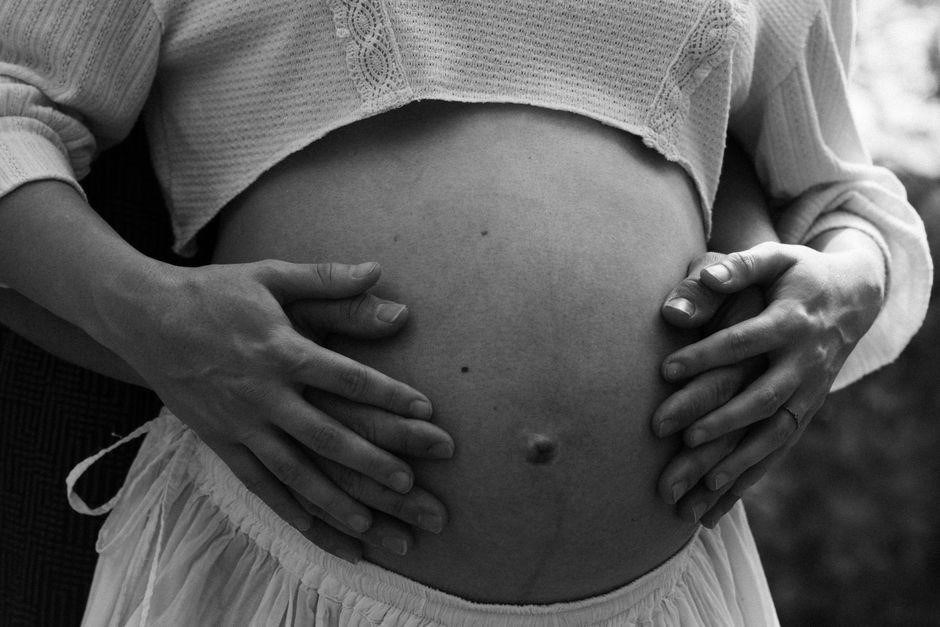
During pregnancy, balanced nutrition supports fetal growth and maternal health. The free PDF guide outlines essential macronutrients—protein, healthy fats, complex carbs—and micronutrients such as folic acid, iron, calcium, and DHA. It recommends 1.1–1.5 g protein per kilogram of body weight and 350 mg iron daily, especially in the second trimester. Calcium intake should reach 1,000 mg, while DHA 200–300 mg supports brain development.
Meal planning tips include frequent small meals, incorporating lean meats, legumes, dairy, and whole grains. The guide suggests limiting caffeine to 200 mg and avoiding alcohol entirely. It also highlights the importance of hydration—at least 2.5 liters of water per day—and the benefits of prenatal vitamins. The PDF provides sample menus for breakfast, lunch, dinner, and snacks, with portion sizes tailored to caloric needs of 1,800–2,200 kcal/day. It also offers a printable grocery list and a tracking sheet to monitor nutrient intake.
To reduce gestational weight gain, the guide advises mindful eating, avoiding sugary drinks, and choosing nutrient‑dense foods. It emphasizes regular physical activity, such as walking or prenatal yoga, and stress‑management techniques. The PDF includes a section on common pregnancy cravings and healthy substitutions, ensuring both mother and baby receive adequate nutrition while maintaining a healthy weight.
Download the PDF to access detailed meal plans, nutrient charts, and a step‑by‑step guide to healthy eating during pregnancy.
Consult a dietitian for plans that account for medical conditions or allergies, and use prenatal check‑ups to adjust nutrition as your pregnancy progresses and maintain health daily !!

Exciting Free PDF Resource with Answers
Discover a comprehensive, downloadable PDF that demystifies the differences between a beer belly and a pregnant belly. This guide offers side‑by‑side visual comparisons, clear definitions, and evidence‑based explanations of how each condition develops. Inside, you’ll find step‑by‑step instructions for measuring abdominal circumference, interpreting results, and tracking changes over time. The PDF also includes a quick‑reference chart that highlights key health markers—such as waist‑to‑hip ratio, blood pressure, and glucose tolerance—relevant to both scenarios.Lorem ipsum dolor sit amet, consectetur adipiscing elit.Lorem ipsum dolor sit amet, consectetur adipiscing elit.Lorem ipsum dolor sit amet, consectetur adipiscing elit.Lorem ipsum dolor sit amet, consectetur adipiscing elit.Lorem ipsum dolor sit amet, consectetur adipiscing elit.Lorem ipsum dolor sit amet, consectetur adipiscing elit.Lorem ipsum dolor sit amet, consectetur adipiscing elit.Lorem ipsum dolor sit amet, consectetur adipiscing elit.Lorem ipsum dolor sit amet, consectetur adipiscing elit.Lorem ipsum dolor sit amet, consectetur adipiscing elit.Lorem ipsum dolor sit amet, consectetur adipiscing elit.Lorem ipsum dolor sit amet, consectetur adipiscing elit.Lorem ipsum dolor sit amet, consectetur adipiscing elit.Lorem ipsum dolor sit amet, consectetur adipiscing elit.Lorem ipsum dolor sit amet, consectetur adipiscing elit.Lorem ipsum dolor sit amet, consectetur.!